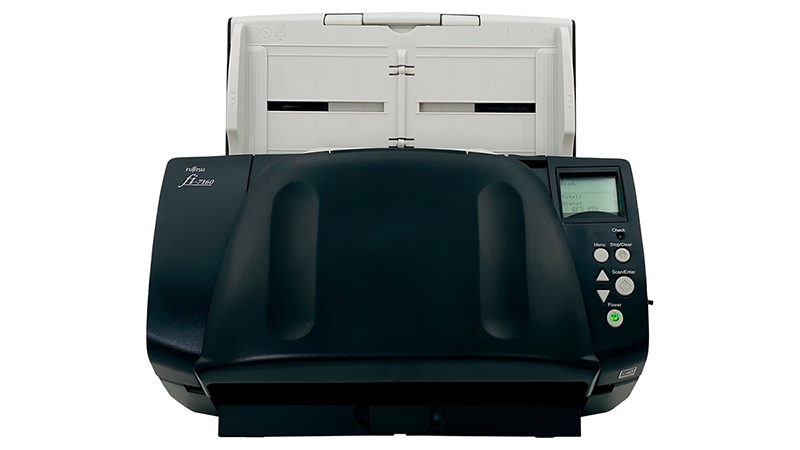
Best ADF Scanner
Fujitsu fi-7160
The GOAT of ADF scanners. Fast, reliable, and versatile. Can scan raw, sleeved, and even toploaded cards.
I've been selling products on eBay since 2008, have shipped over 39,000 orders, and maintained 100% positive feedback the entire time. Since switching to cards and creating card seller content, people always ask me what scanners, software, and other tools that I use so I finally put together the ultimate list of the best card seller tools. Whether you sell sports cards or TCG cards, these tools will help you maximize your efficiency and profit per hour.

I've included links to both the brand new product on Amazon as well as used options from eBay. I personally buy a lot of my equipment used to maximize my company's margins.
A scanner is the backbone of any card seller's workflow. If you're not scanning your cards, you're not getting the most out of your time. Instead of slowly taking photos, a scanner empowers you to get hundreds of images in just minutes.
The GOAT of ADF scanners. Fast, reliable, and versatile. Can scan raw, sleeved, and even toploaded cards.
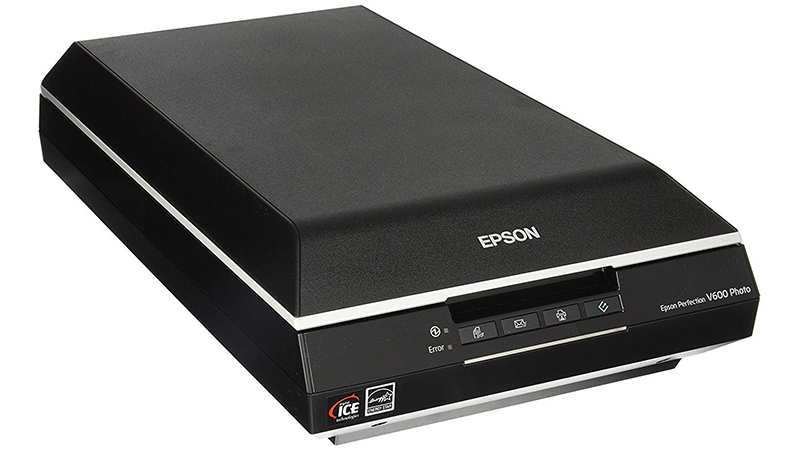
The GOAT of flatbed scanners. High resolution, reliable, andcompatible with Kronocard. I use this scanner for graded cards, thick cards (like relic cards and premium sets), as well as for high-value standard cards.
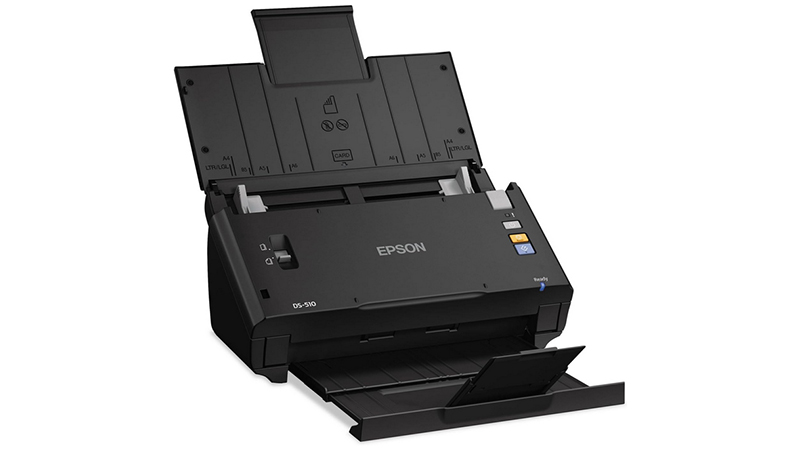
A cheaper option than the Fujitsu fi-7160. Can scan raw and sleeved cards but not toploaded cards. It is much slower than the fi-7160 though and can be prone to misfeeds for certain card brands.
Yes, you can scan cards in penny sleeves and toploaders. However, with an ADF scanner like the Fujitsu fi-7160, you will need to remove the roller mechanism from the scanner's lid (the part that folds towards you when you open the scanner). Keep in mind that toploaders may scratch the lens on your scanner, so only scan clean ones. If only a few of the cards you're listing are toploaded, you're probably better off jsut removing the toplaoder first.
Will have a video on this coming soon.
Will have a video on this coming soon.
I have three printers ready to go at all times: my thermal label printer, my Brother printer, and my Epson printer. It sounds crazy, but this allows me to just print what's needed without having to mess around with swapping paper and changing settings.
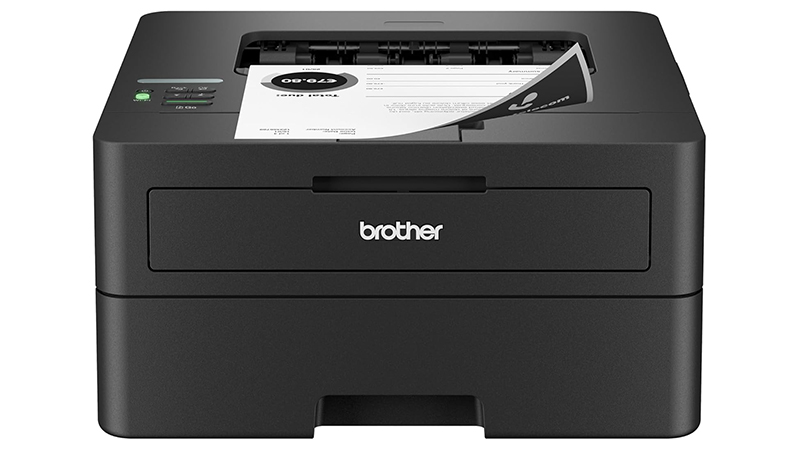
I use this printer for printing my thank you notes (and then I print my packing slips on the back of them). I also use it to print my antique booth's pricing stickers on to Avery labels. Off-brand toner works too. I buy my paper at BJs Wholesale Club.
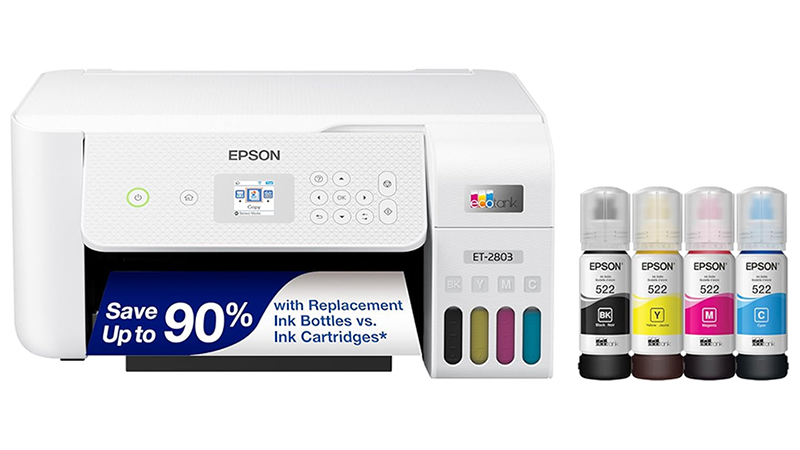
I bought the ET-3830 but should have got this model instead because it's a cheaper version and fulfills the same function: printing eBay Standard Envelope (ESE) labels directly on to #10 envelopes loaded in the tray.
This is actually faster and cheaper than using a thermal label printer for ESE, check out this YouTube video for more info.
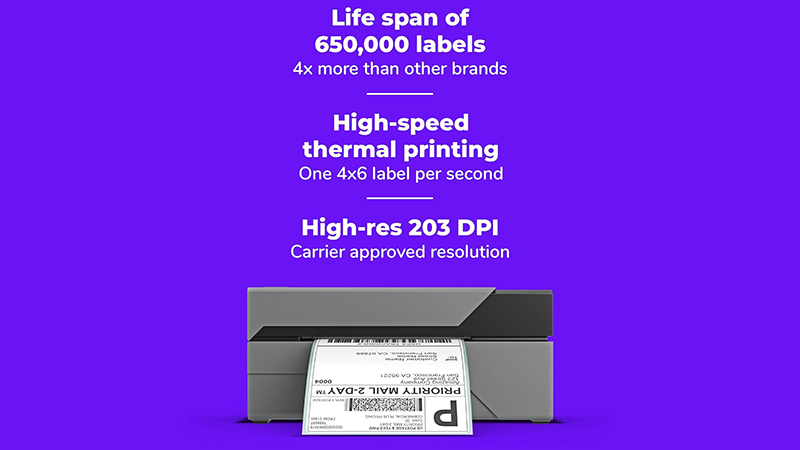
There's cheaper off-brand options, but my Rollo is a beast. Have had it for well over 10 years with no issues. Nothing is worse than having a cheap thermal printer crap out on you in the middle of shipping.
No, you could just print the label on normal paper and cut/tape it on to your packages. But a thermal label printer saves time and looks professional when you ship often. Highly recommend buying one early.
Thermal printers use heat on special label stock—no ink cartridges, fast output, and labels won't smear if they get damp. Inkjet/laser can print on plain paper or label sheets. I use thermal labels for packages and I print eBay Standard Envelope labels directly on to #10 envelopes with the Epson EcoTank printer.
4x6" thermal labels are pretty much standard and universal. Can be used with eBay, WhatNot, Amazon, PirateShip, and more. Double check with the marketplace's print options but I'd bet most of them will work with 4x6" labels.
Tools that maximize efficiency on the backend of your card selling business.
Automates the entire eBay listing process for cards (singles, lots, and variation listings). Including eBay SEO, item specifics, image processing, and customizable descriptions.

It's ugly but it's the best. Kronocard has the best AI for accurately identifying cards at the best price. Their UI also makes it the fastest and easiest way to check and correct the AI's work.

Build front/back and paired collages in the browser for marketplace photos—no upload to our servers; processing runs locally.

A great AI platform that doesn't get the attention that it deserves compared to others. Can help with a variety of tasks and projects. The referral link below gives us each 500 bonus credits.
Listing software (e.g. CardCobra) automates the entire process: titles, item specifics, descriptions, and workflow across many listings. A collage tool like MegaCollage only provides the images—combining fronts/backs into listing-ready photos. With MegaCollage, you still ahve to do the rest of your listing yourself (usually from an eBay template).
MegaCollage runs in your browser; processing is intended to stay local to your device (no separate “upload to MegaCollage” step for collage generation). Always verify in your browser that you'''re comfortable with how any site handles files. It's a win-win because I don't want to pay even more for hosting/computing resources for this free tool and you don't have to worry about me using your images for anything else.
No. Manual listing can be fine at low volume. As you grow your business, you may even skip using Kronocard and jsut use eBay's free AI listing tool. Automation shines when you're repeating the same steps for dozens or hundreds of SKUs and want consistency, the best quality, and fastest speed.
Everything that touches the card before it goes in the mail: sleeves, holders, bags, sorting, and storage. Good supplies cut down on corner dings, scratches, and “it arrived damaged” claims.
Cardboard Gold has the best quality overall. I prefer their Card Savers over any other brand. They also have penny sleeves, notched penny sleeves, toploaders, and more.
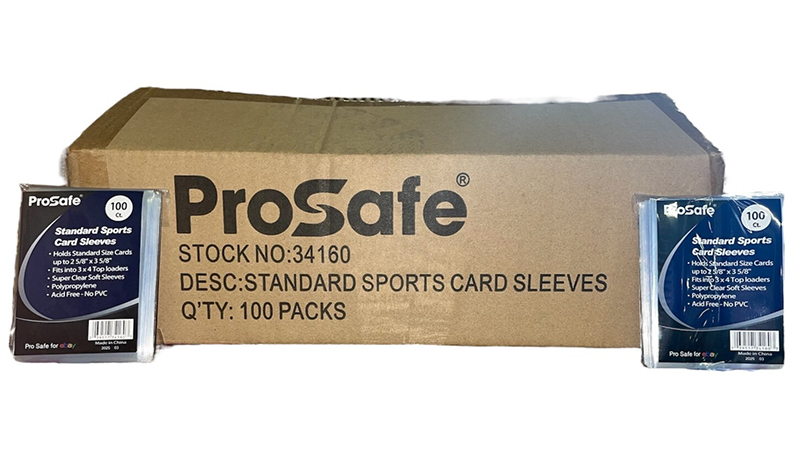
most penny sleeves are indistinguishable from each other and this is the best price I've found without having a wholesale account with a distributor.

Huge variety and is rarely out of stock for supplies. They do charge shippnig but I've located nearby so it's not too bad for me. Columbia Hobby Wholesale may be a cheaper option depending on your location.
Great prices and free shipping. Occassional run clearances with great deals. Only drawback is their often out of stock so I probably shouldn't help them get any more customers lol. I always bring the sauce for you guys though!
Most modern standard-size trading cards fit standard soft sleeves and matching top loaders. Thick patches, memorabilia cards, or some vintage sizes may need thick or specialty sizes—measure or check product specs before buying in bulk.
For shipping raw cards, yes for most sellers: the soft sleeve reduces surface scratches; the top loader (or semi-rigid) resists bends. Then seal in a team bag so the card can't slide out.
Budget sleeves can be fine for sorting and short-term storage; for high-value inventory or long-term holds, many sellers prefer brands known for consistent sizing and clarity. Test a small pack before committing to a case.
Mailers, boxes, tape, scales, and labels—what you use after the card is protected and ready to leave your desk.
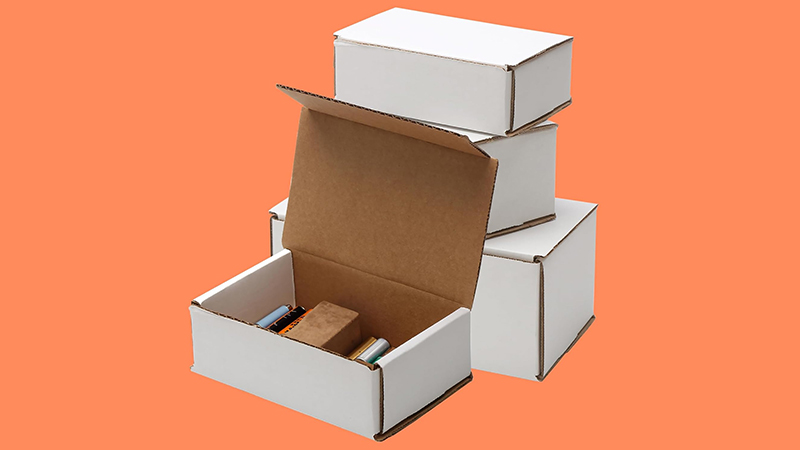
I use this size to ship many of my lots as well as all of my singles and graded cards.
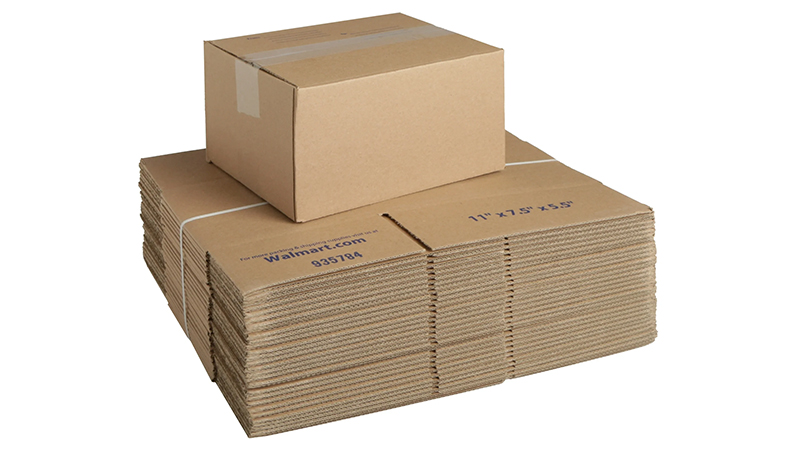
I order these from Walmart. You can also pick them up in-store in a pinch but you'll pay a little more (still a good price though).
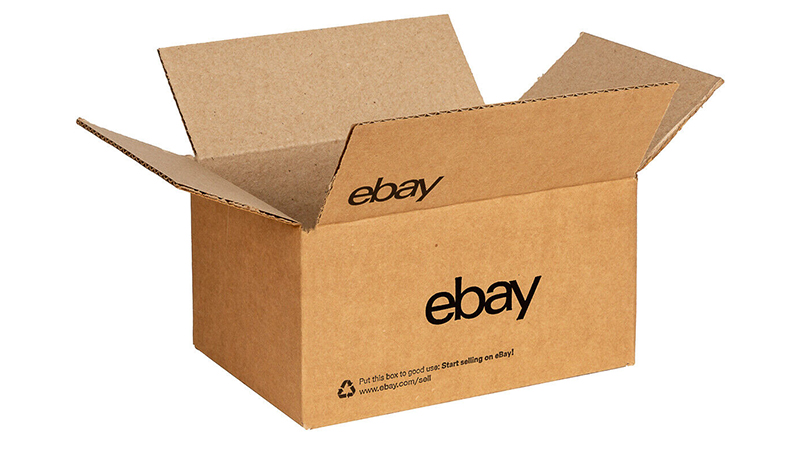
I use my quarterlyeBay store shipping promo code to get these boxes.
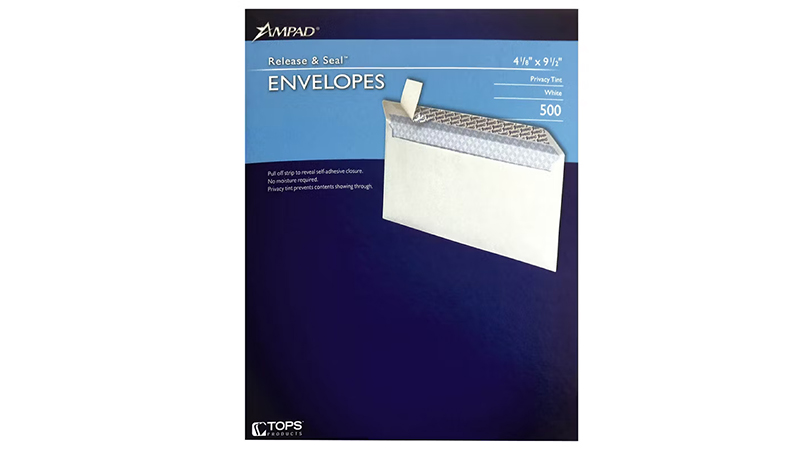
BJs has the best prices on #10 envelopes (Amazon is second). COSTCO is similar too if you have one near you (I don't unfortunately). Also a great place to get your gas.
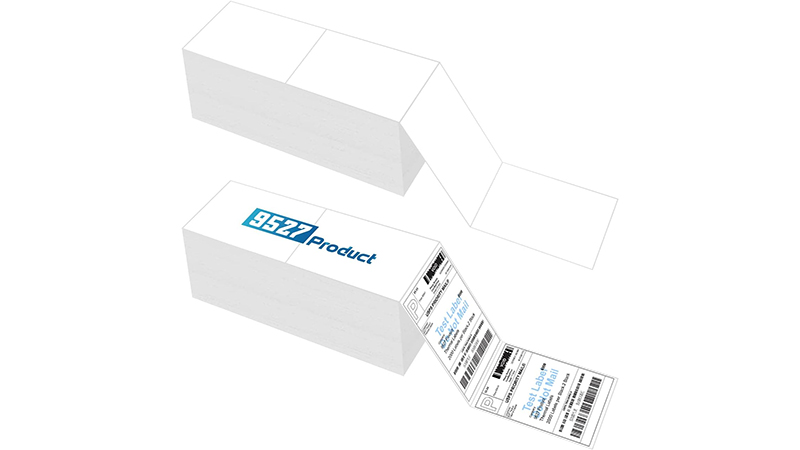
Used with the Rollo thermal label printer mentioned above. I just buy these in bulk on Amazon becuase I didn't find a cheaper source. I personally prefer the stacks over the rolls.
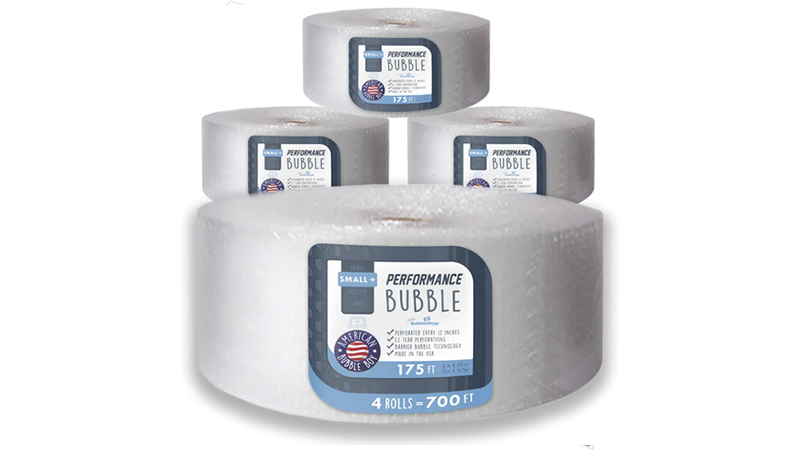
I use the 6" small bubble wrap for padding inside the 6x4x2" shipping mailer. The 12" medium bubble wrap is great for padding inside the 11x7.5x5.5" shipping boxes for bulk card lots and for larger multi-lot orders. American Bubble Boy is my go-to vendor.
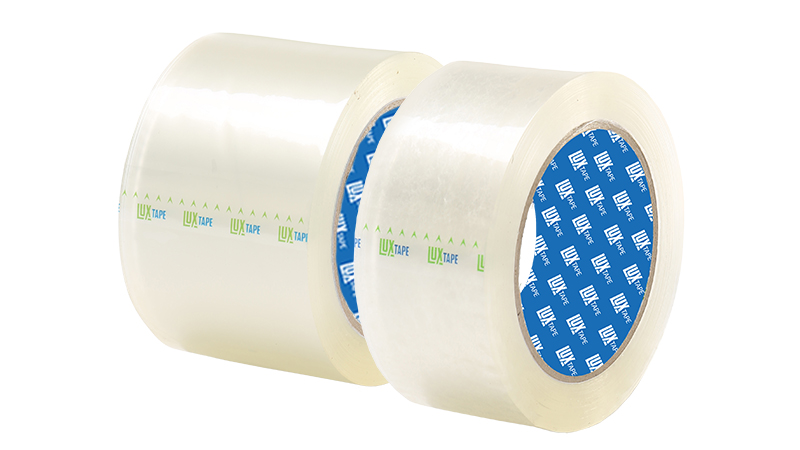
I use the Lux packing tape for all of my shipping. It's a great price and quality and it's what I've used for years. Doesn't have that "tape stink" either. As of 3/22/2026, it's cheaper on Amazon than it is on their website.
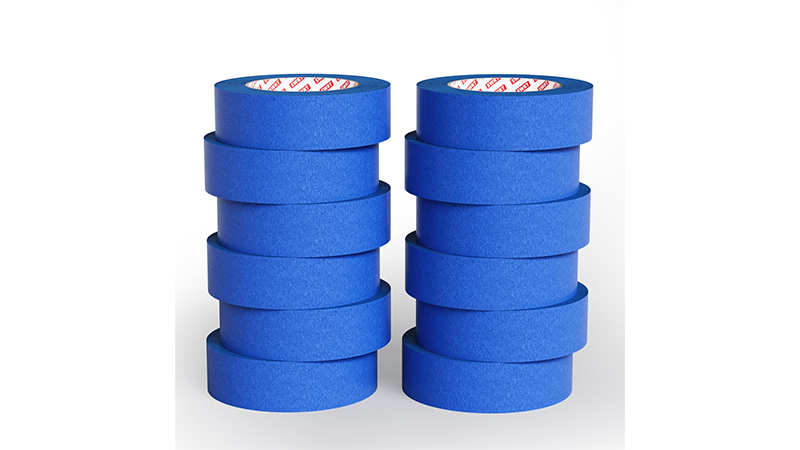
Used to secure semi-rigids to packing slips for eBay Standard Envelope as well as sometimes bubble wrap or other packaging scenarios. Just grab some at a local department store or this Amazon listing has a good bulk deal. I'm not loyal to any particular brand for this.
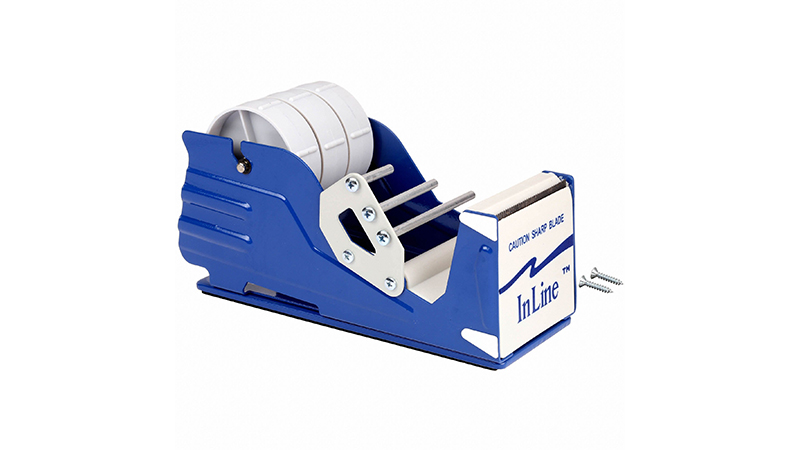
I love the InLine brand and have two of their dispensers: one for packing tape and one for painters tape. I have no idea where you even get these brand new, got both of mine on eBay and can't find them on Amazon. These things are heavy and don't budge at all when you're pulling at the tape. Absolutely love them
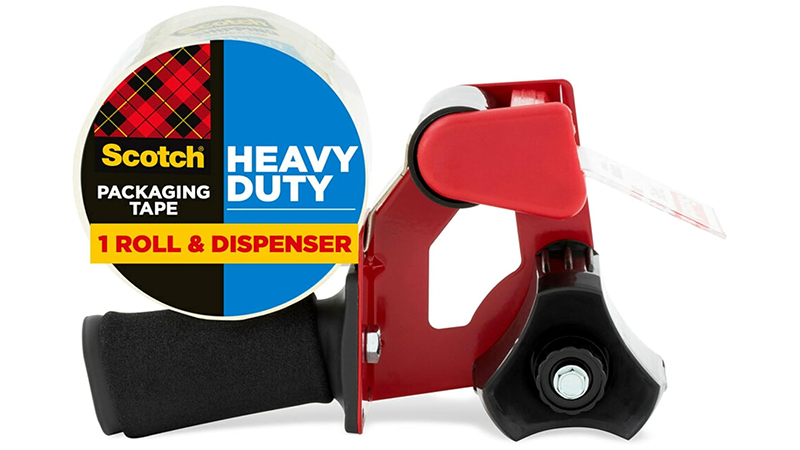
You can pick these up locally or order online. It's actually cheaper on Amazon right now (as I write this) than it was when I bought mine in-store years ago. The handle makes a big difference.
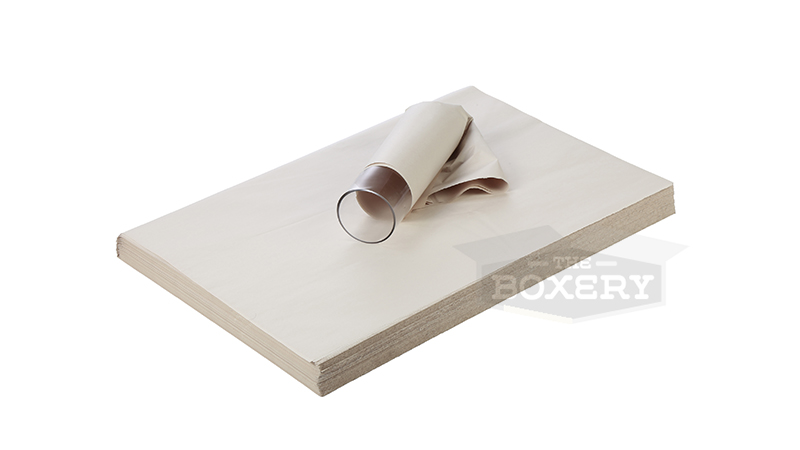
I use this for voidfill in my packages to make sure nothing can move or rattle around inside the box during shipping. eBay also sells some tissue paper in their supplies store and you can use that too if oyu have a promo coupon to burn.
I ship cards in penny sleeves and semi-rigids for eBay Standard Envelope shipping (semi-rigids go through the USPS sorting machines better than toploaders). For Ground Advantage (boxed shipping), I put the card in a toploader and team bag, then wrap in bubble wrap and put in a 6x4x2" shipping mailer. See Card supplies for sleeves and holders.
Rigid mailers (or boxes) protect corners the best. You almost never see anyone posting about their card being destroyed when it's shipped in a box, it's always teh bubble mailers. Bubble mailers alone can be fine for low-value or well-padded internals, but it's faster, cheaper, and safer to just use a box isntead of doing the arts and crafts required to improve the protection of a bubble mailer.
For higher-value cards, tracking is standard; insurance depends on carrier, declared value, and your risk tolerance. Check each marketplace's seller protection and shipping requirements.
Clean business banking helps you separate inventory, payouts, profits, and taxes. If you're scaling a card-selling operation (or any small business), a modern business account can save time on transfers, cards, and bookkeeping.

mercury is online business banking built for startups and small businesses: checking and savings, virtual debit and credit cards, domestic USD wires, invoicing, bill pay, and integrations with lots of tools. I use it and recommend it if you want a fast, modern stack without traditional-bank friction.
Serious sellers treat reselling like a business: separate accounts make it easier to track COGS, marketplace payouts, shipping spend, and taxes. A dedicated business account also looks more professional if you ever need a loan, accountant access, or clean books.
Per Mercury, it is a fintech company, not an FDIC-insured bank; banking services are provided through partner institutions. Always read their current legal disclosures and eligibility requirements before opening an account.
Offers change over time. Use the referral link and read the terms shown on Mercury's signup flow for deposit minimums, time windows (e.g. first 90 days), and who qualifies. If you're unsure, contact Mercury support before moving money.